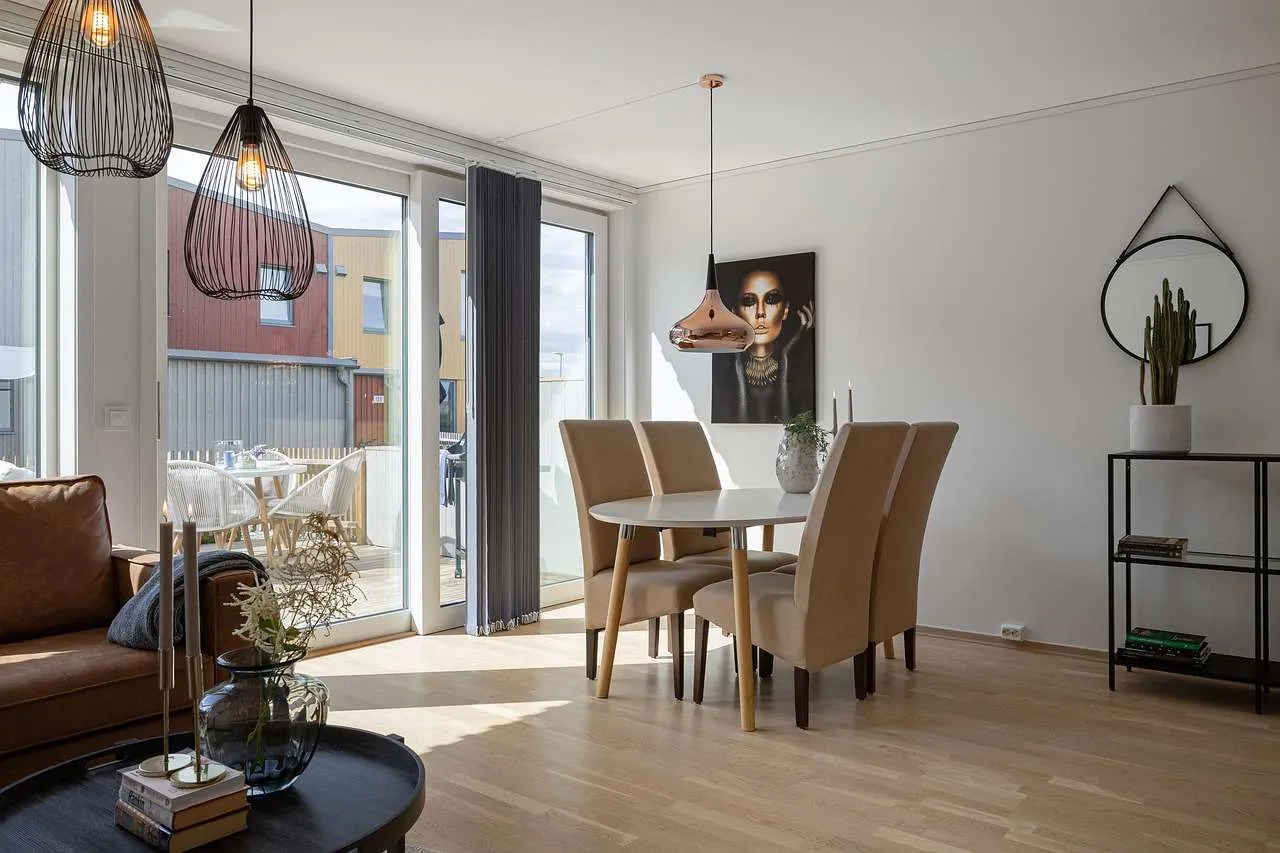
Home window tinting is a popular upgrade homeowners choose to improve comfort, reduce energy use, and protect interiors from sun damage. By adding a professionally installed tint, you can lower heat gain in summer, block harmful UV rays, and enhance privacy without sacrificing daylight.
Benefits of home window tinting
Tinted windows reduce heat gain by reflecting or absorbing infrared rays, which lowers cooling costs and keeps rooms more comfortable. UV rejection protects furnishings, carpets, and flooring from fading. Glare control helps with screen visibility and reduces eye strain, while privacy can be increased without heavy drapes. Modern films also add impact resistance, which can improve safety and security in homes with large or ground-floor windows.
Types of window tint films
| Film Type | Key Features | Typical Cost per sq ft | UV Rejection | Pros | Cons |
|---|---|---|---|---|---|
| Ceramic | Premium heat control; nonconductive | 8-12 | 99% | Excellent clarity; no signal interference | Higher cost |
| Metalized/IR | Strong heat rejection; reflective | 5-9 | 99% | Great performance | Possible electronics interference; visible reflectivity |
| Dyed or Carbon | Affordable UV protection; some heat control | 3-7 | 90-99% | Cost-effective | Color fade; durability varies |
| Spectral/Optically Selective | Solar control with light transmission | 7-11 | 99% | Preserves view; good privacy | Premium price |
Factors to consider before tinting
Consider glass type, existing films, and building orientation. South and west-facing windows gain more sun, so they benefit most from tinting. Check local regulations for tint darkness limits, especially on street-facing windows and bedrooms. Ensure the film is compatible with your window frame and seals, and confirm warranty terms with the installer.
DIY vs professional installation
While DIY kits exist, professional installation is recommended for safety, warranty, and a streak-free finish. A qualified installer will measure precisely, prepare the glass, apply uniform film, and seal edges to prevent peeling. They can also handle size/shape variations and ensure compatibility with double-pane or laminated glass.
Choosing a reputable installer
To avoid scams or subpar results, follow these steps: verify licenses and insurance, request portfolio photos and references, and seek warranties on both film and labor. Request written estimates with a clear scope, including labor time, edge sealing, and cleanup. Ask about certification by film manufacturers and aftercare guidance.
Maintenance and durability
Clean only with nonabrasive, plastic-safe cleaners and a soft cloth. Avoid ammonia-based products that can degrade film. Periodically inspect edges for peeling or bubbling and have any issues addressed promptly under warranty. With proper care, most films last 10 to 15 years, depending on climate and sun exposure.
Cost and return on investment
Costs vary by film type, window size, and labor, but budget roughly per window. The table below provides typical ranges and what to expect regarding heat reduction and privacy.
| Film Type | Typical Cost per Window | Heat Reduction | Privacy Level | Longevity |
|---|---|---|---|---|
| Ceramic | 80-120 | High | Medium-High | 10-15 years |
| Metalized | 60-100 | Very High | Medium | 8-12 years |
| Dyed/Carbon | 40-80 | Moderate | High | 6-12 years |
| Spectral | 70-110 | Very High | High | 10-15 years |
Conclusion
Summary: Home window tinting offers comfort, protection, and value by choosing the right film and a qualified installer, evaluating costs, warranty, and upkeep to maximize impact.